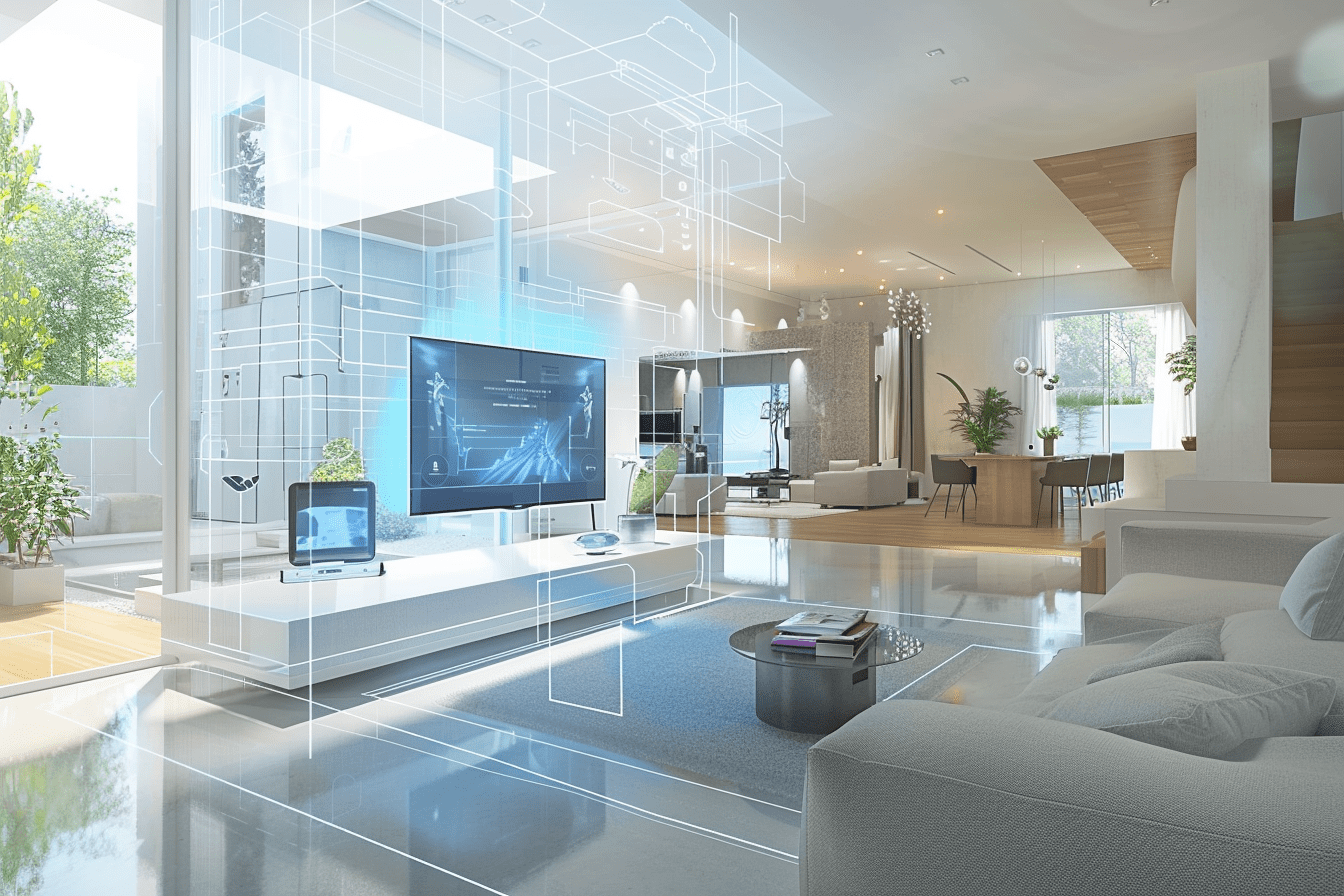
The modern home is evolving faster than ever before. Technology has transcended the realm of gadgets and apps, becoming a fundamental part of the spaces we live in. Smart home integration is no longer just about convenience; it is shaping the aesthetics, functionality, and overall experience of interior design. Today, homeowners are seeking spaces that seamlessly combine beauty and intelligence, where every corner serves both a practical and aesthetic purpose.
Understanding Smart Home Technology
A smart home is more than just connected devices. It is a holistic ecosystem where lighting, climate control, security, and entertainment work together intuitively. Devices like smart thermostats, AI-powered assistants, and intelligent lighting systems allow homeowners to manage their spaces with ease and efficiency. Beyond convenience, these technologies improve energy efficiency, enhance safety, and create a more personalized living environment.
The rise of the Internet of Things (IoT) has also transformed trends in smart home technology. Devices are increasingly multifunctional, responding to voice commands or adapting automatically to daily routines. From temperature sensors that anticipate your comfort preferences to automated blinds that adjust based on sunlight, technology now blends invisibly into the home’s structure.
Designing for Technology Without Sacrificing Style
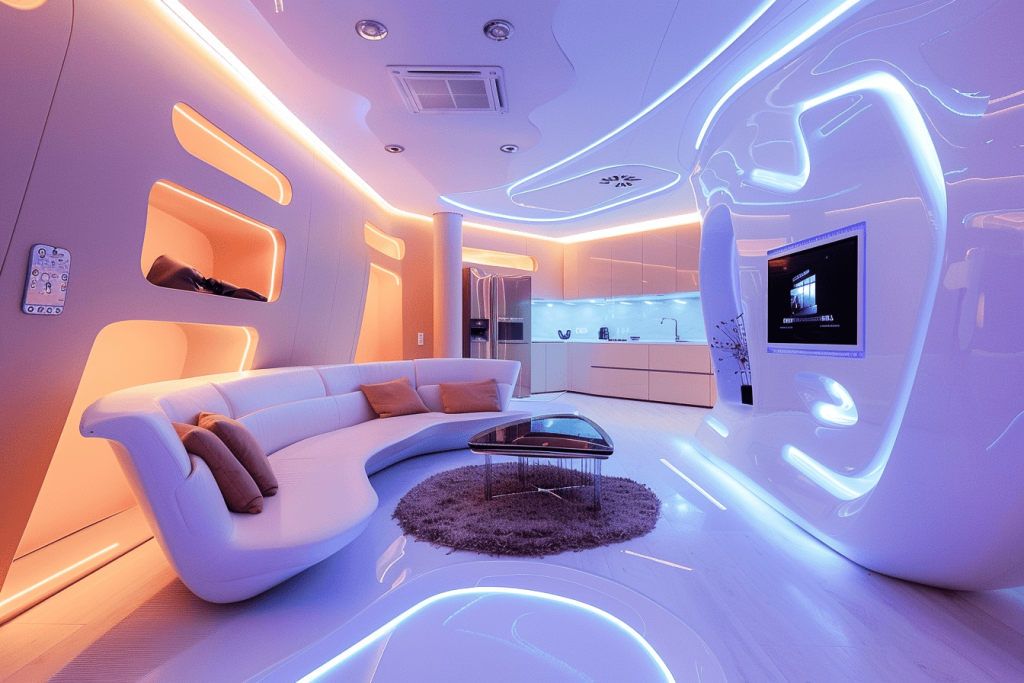
Integrating smart devices into a home can be challenging if aesthetics are ignored. Thoughtful layout planning ensures that devices enhance the space rather than dominate it. Designers often place hubs, charging stations, and speakers in unobtrusive areas, allowing technology to remain functional while preserving clean lines. Minimalism has become a guiding principle in digital-age interiors, where technology hides within furniture or behind panels, maintaining an uncluttered visual appeal.
Concealing devices doesn’t mean sacrificing accessibility. Built-in cabinets, recessed lighting, and furniture designed to house technology allow homeowners to enjoy all the benefits of smart devices without them becoming visual distractions. In this way, interior design becomes an invisible partner to technology, ensuring every element has both form and function.
Smart Lighting and Ambiance
Lighting is where technology and interior design intersect most dramatically. Smart lighting can transform a space’s mood with a single command. Color-changing bulbs and adaptive brightness allow for a dynamic atmosphere, whether it’s soft, warm light for relaxing evenings or bright, focused illumination for work and study.
Beyond functionality, lighting becomes a core design feature. Integrated LEDs in furniture, illuminated shelving, and modern smart chandeliers contribute to the home’s aesthetic while serving practical purposes. In digital-age interiors, lighting is no longer passive; it actively defines the character of the room.
Smart Furniture and Multi-Functional Spaces
Furniture is evolving to meet the demands of connected living. Desks with built-in charging ports, beds that monitor sleep patterns, and entertainment units that organize devices seamlessly integrate technology without compromising design. Multi-functional furniture also allows smaller spaces to remain open and stylish, demonstrating how smart design accommodates both lifestyle and technology.
The secret lies in integration rather than decoration. Technology that is thoughtfully embedded into furniture becomes part of the home’s identity, creating an environment that is efficient, elegant, and future-ready.
Security and Safety in a Smart Home
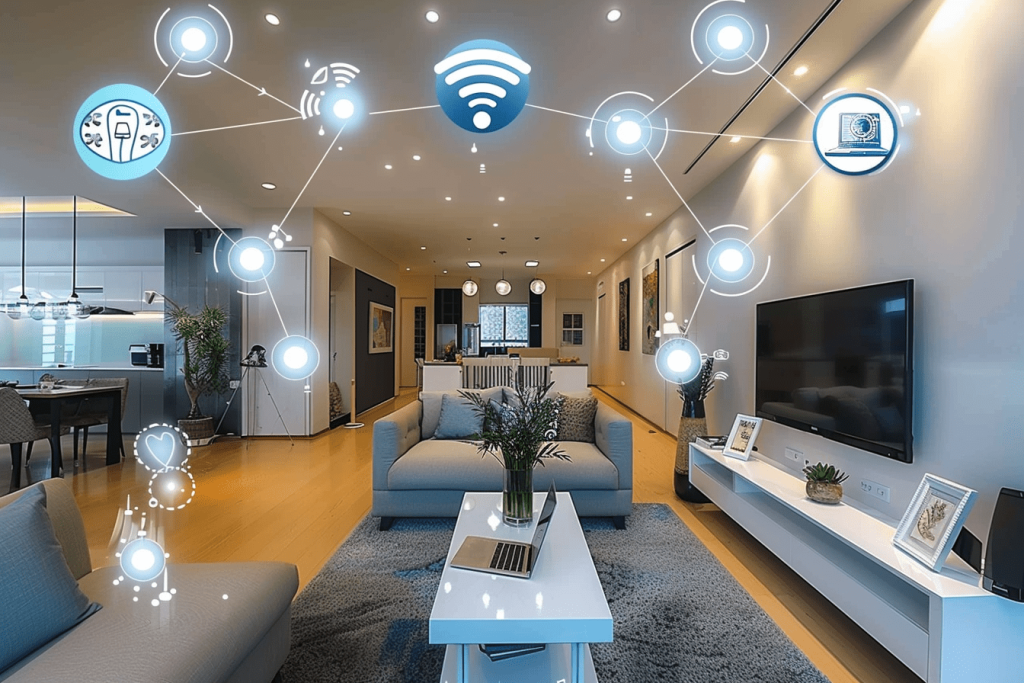
A key aspect of smart homes is their ability to safeguard occupants without disrupting design. Smart locks, discreet cameras, and sensors provide security while blending into walls, doors, and furniture. Similarly, smart thermostats, smoke detectors, and leak sensors enhance safety, monitoring the home continuously without drawing attention. Homeowners can enjoy peace of mind while preserving the visual harmony of their interiors.
Challenges and Solutions in Smart Home Design
Designing a smart interior does come with challenges. Device compatibility can limit options, while the temptation to display technology overtly may compromise aesthetics. Solutions lie in prioritizing seamless integration, choosing devices that complement each other, and employing creative design strategies to hide cables, sensors, and panels. By treating technology as a design element rather than a separate feature, homeowners achieve a balance between form and function.
Smart homes are most effective when they feel effortless. Consider these principles as a guide:
- Blend technology with furniture and architectural elements.
- Choose devices that communicate and integrate with each other.
- Prioritize intuitive interfaces to minimize visual clutter.
- Design around user experience, ensuring comfort and convenience.
Future of Smart Interior Design
Looking ahead, the convergence of AI, IoT, and home automation promises homes that anticipate needs before they arise. Interiors will become increasingly personalized, with spaces adapting dynamically to mood, time of day, and individual preferences. Designers are already exploring fully automated environments where lighting, climate, and entertainment adjust seamlessly, creating homes that are both smart and deeply human-centered.
The future is one in which technology serves the aesthetic as much as it serves function. Digital-age interior design will continue to blur the line between innovation and beauty, making homes more responsive, efficient, and visually inspiring.
Smart home integration is redefining how we approach interior design. By thoughtfully combining technology with style, homeowners can create spaces that are elegant, functional, and adaptive. Embracing smart devices does not mean sacrificing aesthetics; rather, it opens new avenues for creativity, comfort, and efficiency. In the digital age, interior design is no longer static—it is intelligent, intuitive, and alive.